
Ford F-150 Production Halted The backbone of the American automotive supply chain just ground to a sudden halt. In an unexpected operational emergency, Ford Motor Company has officially suspended all production of its crown jewel, the Ford F-150 pickup truck, at its historic Dearborn, Michigan stamping facility. Internal bulletins confirm that a catastrophic failure involving a massive stamping die—the heavy machinery responsible for pressing raw aluminum sheets into body panels—has frozen assembly lines indefinitely.
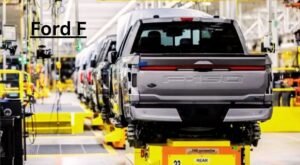
With US interest rates remaining sticky and premium new vehicle costs putting extreme pressure on American commuters, any sudden constriction in vehicle inventory hits the economy where it hurts. The F-150 has been the single best-selling vehicle in the United States for decades; a production freeze of this scale is sending shockwaves through domestic dealerships and consumer market groups alike.
The Broken Hood Die: What Triggered the Freeze?
According to automotive supply chain auditors on the ground in Michigan, the shutdown was caused by a structural fracture in one of the primary hood-stamping dies. In modern automotive manufacturing, these multi-ton precision instruments are incredibly difficult to repair or replace on short notice.
[Main Stamping Die Suffers Structural Fracture]
                       │
                       ▼
[Production Frozen at Dearborn Stamping Facility]
                       │
                       ▼
[Supply Chain Interrupted for Assembly Plants]
                       │
                       ▼
[Nationwide Dealership Inventory Drops within 14 Days]
Ford’s Dearborn Truck Plant relies on a strict Just-In-Time (JIT) logistics framework. This means components are stamped, treated, and delivered to the main assembly floor within hours of a vehicle being built. Because there is virtually zero backlogged inventory of completed aluminum body panels, the fracture of a single critical stamping component forces the entire, multi-mile assembly line to sit completely dark.
Immediate Impact on US Truck Logistics and Labor
The ripple effect of the Dearborn shutdown is already spreading through Ford’s manufacturing footprint. While the stamping issue is localized in Michigan, secondary sub-assembly facilities across Missouri and Ohio are preparing to dial back operational hours to prevent a massive logistical pileup of parts that cannot be finished without the main aluminum structures.
| Facility Affected | Current Operational Status | Primary Output Interrupted | Est. Daily Production Loss |
| Dearborn Stamping (MI) | Completely Suspended | Aluminum Body Panels | 1,200+ Unit Sub-assemblies |
| Dearborn Truck Plant (MI) | Idle / Limited Shifts | High-Trim F-150 (Platinum, Raptor) | ~800 Completed Trucks |
| Kansas City Assembly (MO) | Monitoring Hourly Supply | F-150 Fleet Models & Transit Vans | Potentially 900+ Units |
Ford management has issued temporary shift cancellations for hundreds of hourly assembly line workers. Under current union agreements, while workers receive partial safety-net compensation during short-term facility maintenance, a prolonged multi-week freeze could trigger formal layoffs, heating up friction between corporate leadership and organized auto labor groups.
Why This is a Golden Opportunity for General Motors and Ram
The timing of this infrastructure failure could not be worse for Ford. Supply chain analytics for mid-2026 indicate that domestic truck buyers are already incredibly sensitive to vehicle availability and dealership markups.
With Ford out of commission for consecutive production cycles, rival legacy automakers are aggressively positioning themselves to capture frustrated buyers:
-
General Motors (Chevrolet Silverado/GMC Sierra): GM has successfully maintained stable inventory levels through its updated logistics contracts, allowing dealerships to offer aggressive financing incentives on the Silverado to poach walking-out Ford loyalists.
-
Stellantis (Ram Trucks): Ram has recently rolled out its high-authority V8-alternative engines, and a sudden shortage of standard F-150 configurations provides their sales channels an unprecedented window to clear out backlogged lots.
If American small business owners or construction fleet managers cannot guarantee delivery dates for custom commercial Ford trucks within the next 30 days, they will simply reallocate their capital to competing domestic truck platforms.
Dealership Backlash and the Return of Markup Madness
Across the country, independent Ford franchise dealers are bracing for secondary market impacts. Following the severe vehicle shortages of the early 2020s, US car buyers have developed a deep hatred for “Market Adjustments”—arbitrary premium pricing added by dealerships when supply drops.
If the Dearborn stamping tool takes longer than 10 to 14 business days to be completely machined, re-certified, and re-installed, the available supply of new F-150s sitting on dealer lots across the country will plummet significantly before the summer driving season peaks. Industry analysts fear this deficit will cause aggressive dealerships to re-introduce artificial markups, driving retail consumers straight into the booming pre-owned or certified pre-owned (CPO) market.
Ford’s Response and the Timeline for Recovery
In an official corporate release addressing the Dearborn stamping failure, a Ford communications representative stated: “Our engineering teams are working around the clock alongside our precision tooling partners to resolve an unexpected equipment issue at our stamping facility. We are actively optimizing our multi-plant network to minimize downstream impact on dealership deliveries.”
Despite the public optimism, manufacturing experts familiar with heavy industrial stamping operations note that a fractured casting die cannot simply be welded back together. It requires either highly complex precision metal sintering or shipping a backup die structure from an international supplier—a process that historically takes anywhere from one full week to twenty days to calibrate safely under extreme hydraulic pressure.
What Should US Buyers Do Right Now?
If you are a retail consumer currently holding an active reservation or a custom factory order for an F-150, your delivery timeline is guaranteed to slip. Industry advisors recommend the following action steps:
-
Lock in Financing Rates: Ensure your bank or credit union pre-approval window does not expire while your vehicle sits unfinished in a holding yard.
-
Audit Regional Inventories: If you need a utility truck immediately for seasonal commercial work, utilize nationwide dealer locator networks to buy an existing unit currently sitting on a lot before regional supply dries up entirely.
Until the heavy machinery in Michigan hums back to life, the American truck market will remain in a highly volatile, defensive posture.