
Specialized e-bike lawsuit: When Steve Ruggiero bought a premium 2022 Specialized Turbo Levo electric mountain bike, he expected a high-end trail experience. Instead, he ended up in an Oregon hospital with seven broken ribs—and a legal battle that has just rocked the cycling and product liability world.
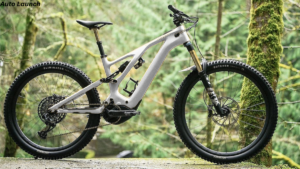
What began as a standard corporate injury lawsuit has transformed into a bizarre courtroom drama. A massive $175,000 out-of-court settlement between Ruggiero and Specialized Bicycle Components completely collapsed. The reason? The plaintiff secretly sold the central piece of evidence—the defective e-bike itself—to a friend.
The Crash: The Danger of “Motor Overrun”
The roots of the lawsuit date back to June 2025, when Ruggiero was riding his Specialized e-MTB on a trail in Oakridge, Oregon. According to court filings, Ruggiero was pedaling at a safe, low speed under 10 mph in “Eco” mode when the bike unexpectedly surged with a massive burst of power. The rear wheel spun out, launching him violently into the side of a hill. The accident left him with seven fractured ribs and a three-day hospital stay.
Ruggiero sued Specialized in October 2025, pointing the finger at a highly technical software and hardware phenomenon known as “motor overrun.”
In the e-bike industry, motor overrun is actually a feature, not a bug. It is designed to give riders a split-second of continued motor assistance after they stop pedaling, helping them clear rocks, roots, and steep obstacles without clipping their pedals. However, Ruggiero’s lawsuit alleges that Specialized’s system suffers from a critical design defect, causing “excessive, unexpected, and uncontrollable” power surges without rider intent. The complaint even cited online rider forum posts dating back to 2017 to argue that Specialized has known about this danger for years.
The Twist: How a $175,000 Deal Disappeared
After months of legal sparring, it looked like Specialized was ready to make the problem go away. In April 2026, lawyers from both sides exchanged a series of emails hammering out a $175,000 settlement payout for Ruggiero.
The deal seemed done—until Specialized’s legal team sent over the final paperwork with a standard corporate clause: The plaintiff must return the physical e-bike to the manufacturer.
That is when Ruggiero’s attorney dropped a bombshell. Ruggiero no longer owned the bike. Sometime after filing the lawsuit, he had casually sold the allegedly “dangerous and defective” e-bike to a friend.
Specialized’s lawyers immediately halted the payout, accusing Ruggiero of “spoliation of evidence.” In product liability law, a plaintiff has a strict legal obligation to preserve the exact product that caused the injury so the manufacturer can test it. Specialized argued that by selling the bike, Ruggiero had compromised the integrity of the case. Ruggiero’s team tried to downplay the issue, arguing the bike wasn’t destroyed and that they could still get access to it, but they flatly refused to hand ownership over to Specialized.
Court Ruling: See You in 2027
Desperate to save the payout, Ruggiero’s team filed a motion asking a federal judge to force Specialized to honor the $175,000 agreement.
However, on May 26, 2026, U.S. District Judge Ricardo S. Martinez officially denied the motion. The judge ruled that because the return of the physical bike became an unresolved sticking point, a final, binding contract was never legally formed. The $175,000 settlement is officially dead.
Specialized is currently fighting to have the entire lawsuit thrown out, arguing rider error and unauthorized modifications caused the crash. Because the settlement collapsed, the case is now back on the active docket, and a high-stakes jury trial has been scheduled for March 2027.
For e-bike manufacturers and legal experts, the case will be closely watched. It highlights the growing legal scrutiny on e-bike motor software regulations, while serving as a harsh reminder to plaintiffs: if you sue a company over a broken product, you probably shouldn’t sell it to your neighbor.