Ford CEO Jim Farley has become one of the most influential voices in the automotive world. As the industry undergoes a massive transformation driven by electrification, software innovation, and shifting consumer expectations, Farley’s leadership continues to shape Ford Motor Company’s future direction.
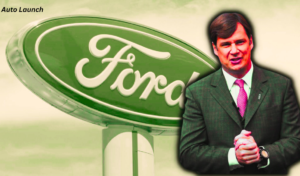
His recent comments about electric vehicles, global competition, and the evolving auto market have once again placed him in the spotlight. Whether discussing Ford’s EV strategy or the challenges facing traditional automakers, Farley has consistently emphasized the need for speed, innovation, and adaptability.
For investors, Ford loyalists, and automotive enthusiasts, his latest remarks provide valuable insight into where one of America’s most iconic automakers is heading.
Jim Farley’s Leadership at Ford
Jim Farley became Ford’s President and Chief Executive Officer in 2020 during one of the most challenging periods in the automotive industry’s history.
The transition toward electric mobility was accelerating, new competitors were entering the market, and consumer expectations were rapidly evolving.
Farley responded by pushing Ford to modernize its operations while preserving the brand’s heritage and strengths.
Under his leadership, Ford accelerated investment in:
- Electric vehicles
- Connected vehicle technology
- Software services
- Manufacturing efficiency
- Customer experience improvements
His goal has been clear: transform Ford into a more agile and technology-focused company without losing its identity.
Ford’s Electric Vehicle Strategy
Electric vehicles remain a major focus for Farley and Ford.
The company has expanded its EV lineup through products such as the Mustang Mach-E and F-150 Lightning while continuing to invest heavily in future technologies.
Farley has repeatedly stated that Ford intends to compete aggressively in the growing EV market.
However, he has also acknowledged that profitability remains one of the industry’s biggest challenges.
Rather than pursuing growth at any cost, Ford aims to balance innovation with financial discipline.
This pragmatic approach has attracted attention from both supporters and critics.
Facing Global Competition
One of Farley’s most discussed topics has been increasing competition from international automakers.
He has warned that traditional manufacturers can no longer rely solely on brand recognition and legacy advantages.
Companies entering the market with lower costs, advanced software capabilities, and faster development cycles are changing the competitive landscape.
Farley believes Ford must improve speed, efficiency, and product quality to remain competitive.
His willingness to publicly discuss these challenges has distinguished him from many industry executives.
The Importance of Software
Modern vehicles increasingly depend on software to deliver new features and improve customer experiences.
Farley has emphasized that future success will depend not only on building great vehicles but also on creating software ecosystems that enhance ownership.
Over-the-air updates, connectivity services, and digital experiences are becoming key differentiators.
Ford continues investing in these areas to strengthen relationships with customers long after a vehicle leaves the dealership.
Balancing Tradition and Innovation
Ford’s greatest strength may be its history.
Few automotive brands possess the emotional connection and customer loyalty that Ford enjoys.
Farley understands this advantage.
Rather than abandoning iconic nameplates, Ford has integrated modern technology into recognizable products.
The Mustang Mach-E and F-150 Lightning demonstrate how heritage and innovation can coexist.
This strategy allows Ford to embrace the future while respecting the values that built the company.
Challenges Ahead
Despite progress, Ford faces several obstacles.
These include:
- Rising production costs
- Intense EV competition
- Supply chain disruptions
- Regulatory changes
- Consumer uncertainty regarding EV adoption
Successfully navigating these challenges will require disciplined decision-making and continued investment.
Farley’s leadership will likely remain under close scrutiny as Ford adapts to changing market conditions.
Why Jim Farley Matters
Automotive CEOs rarely attract widespread public attention.
Jim Farley has become an exception.
His candid communication style and willingness to address difficult realities have made him one of the industry’s most recognizable executives.
Investors view his comments as indicators of Ford’s direction.
Consumers see him as a leader attempting to prepare an iconic company for the future.
Industry analysts frequently cite his perspective when discussing the next phase of automotive transformation.
Final Thoughts
Ford CEO Jim Farley stands at the center of one of the most significant transitions in automotive history.
As electrification, software integration, and global competition reshape the industry, his decisions will influence not only Ford’s future but also the broader market.
While challenges remain, Farley’s emphasis on innovation, efficiency, and honesty reflects a leadership approach designed for a rapidly changing world.
For anyone following the automotive industry, his vision offers a glimpse into what the future of mobility may look like.