
Polestar Banned The electric vehicle industry received a major shock this week after Polestar confirmed that it will no longer be allowed to sell new vehicles in the United States beginning with the 2027 model year.
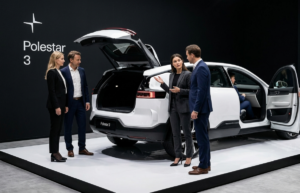
The decision has quickly become one of the most discussed automotive stories in America, with EV enthusiasts, dealers, investors, and current owners all trying to understand what happens next.
According to Polestar, the U.S. Department of Commerce declined to grant the company authorization under the federal Connected Vehicle Rule, effectively preventing future Polestar models from being sold in the American market.
Why Is Polestar Being Blocked?
The issue centers on the U.S. government’s Connected Vehicle Rule, which restricts vehicles that contain certain software or technology linked to China or Russia.
U.S. officials argue that connected vehicles collect significant amounts of data through systems such as:
- Bluetooth
- Wi-Fi
- Cellular connectivity
- Satellite communication systems
Authorities say these technologies could pose national security concerns if connected to companies under foreign government influence.
Polestar, while headquartered in Sweden, is majority-owned by China’s Geely Holding Group, placing the company under increased scrutiny.
What Exactly Has Been Banned?
The decision does not mean Polestar vehicles immediately disappear from American roads.
Instead, the restriction applies to future model-year vehicles beginning in 2027. Polestar has stated that it can continue selling existing inventory of current models and will continue supporting customers through its dealer and service network.
Current owners of vehicles such as:
- Polestar 3
- Polestar 4
will still receive service and support.
A Huge Blow for Polestar
Although the company has struggled to gain a large share of the U.S. EV market, America remained an important growth opportunity.
The announcement immediately triggered concern among:
- Dealers
- Investors
- Existing customers
- Potential buyers
Reports indicate some dealers described the decision as devastating because they had invested heavily in the brand’s future expansion plans. Community reactions across EV forums and Reddit have been equally intense.
Why This Matters Beyond Polestar
Industry analysts believe the decision signals a broader shift in how governments are approaching connected vehicle technology.
For years, automakers operated in an increasingly globalized market. Today, geopolitical concerns are reshaping supply chains, software development, and manufacturing strategies.
The Polestar decision may become a landmark case because it demonstrates how software and connectivity can be just as important as where a vehicle is assembled.
What Happens to Future Polestar Models?
The company’s future U.S. plans are now uncertain.
Polestar has announced that it will increase its strategic focus on Europe, which already accounts for the majority of its sales volume. The company is also moving forward with plans to localize future vehicle production in Europe.
Industry observers say future models could potentially return to the U.S. only if they fully comply with evolving regulations regarding software, connectivity, and ownership structures.
For now, however, the company’s next-generation products face a significant barrier in the American market.
Impact on the EV Market
The decision arrives at a time when competition in the EV sector is more intense than ever.
Major automakers are investing billions into:
- Electric SUVs
- Battery technology
- Autonomous driving systems
- Connected vehicle platforms
As governments continue reviewing data security concerns, other manufacturers may also need to adapt their technology and supply chains to comply with future regulations.
What Should Current Owners Do?
For current Polestar owners, there is no immediate reason for concern.
The company has publicly stated that:
- Existing vehicles remain supported.
- Service centers will continue operating.
- Current inventory remains available for sale.
- Customer support will continue.
The biggest changes will affect future vehicle launches rather than existing ownership.
Final Verdict
The Polestar ban is one of the biggest automotive stories of 2026 and could reshape discussions around connected vehicles for years to come.
While current owners will continue receiving support, the inability to sell new 2027-model vehicles represents a major challenge for the EV brand’s American future.
Whether Polestar eventually returns to the U.S. market or focuses entirely on Europe, one thing is certain: this decision has become a defining moment in the evolving relationship between technology, national security, and the future of electric vehicles.