Jeep Recall Alert Jeep owners across the United States are paying close attention to the latest recall announcement involving several popular models. Vehicle recalls can be concerning, especially when they involve safety-related components that may increase the risk of accidents or mechanical failures. The newest Jeep recall has once again highlighted the importance of acting quickly when manufacturers identify potential defects.
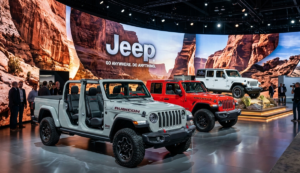
Whether you currently own a Jeep or are considering purchasing one, understanding the details of this recall can help you make informed decisions and protect your safety on the road.
Why Vehicle Recalls Matter
Automotive recalls are issued when manufacturers discover defects that could affect a vehicle’s safety, performance, or compliance with federal regulations. In many cases, recalls are initiated voluntarily by automakers after internal investigations. Regulatory agencies can also require manufacturers to take action if serious risks are identified.
Also REad:- Rivian R2: Price, Range, Features, and Release Date Explained
Ignoring a recall notice may leave drivers vulnerable to avoidable hazards. Fortunately, most recall repairs are performed free of charge at authorized dealerships.
Which Jeep Models Could Be Affected?
While recall campaigns can vary depending on production dates and specific components, Jeep recalls often involve some of the brand’s most popular vehicles.
Potentially affected models may include:
- Jeep Grand Cherokee
- Jeep Wrangler
- Jeep Gladiator
- Jeep Compass
- Jeep Wagoneer
- Jeep Grand Wagoneer
Owners should remember that not every vehicle within these model lines is automatically included. Eligibility typically depends on the vehicle identification number (VIN), manufacturing period, and installed equipment.
Checking your VIN remains the fastest way to determine whether your Jeep is part of the recall.
What Is the Safety Concern?
The exact issue behind a recall can differ significantly depending on the campaign. Common reasons for Jeep recalls in recent years have included electrical system malfunctions, software-related defects, component failures, and issues affecting critical safety systems.
Potential safety risks associated with recalls may include:
- Reduced vehicle performance
- Increased crash risk
- Failure of warning systems
- Unexpected loss of certain functions
- Reduced effectiveness of safety equipment
Manufacturers issue recalls to address these concerns before they lead to widespread incidents.
Warning Signs Owners Should Watch For
Although some recalled vehicles may show no symptoms at all, drivers should remain alert for unusual behavior.
Possible warning signs include:
- Dashboard warning lights remaining illuminated
- Unexpected vehicle alerts
- Difficulty starting the vehicle
- Electrical irregularities
- Unusual noises during operation
- Intermittent system failures
If any of these symptoms appear, owners should schedule an inspection as soon as possible.
What Jeep Owners Should Do Next
If you believe your vehicle could be affected by the latest Jeep recall, taking prompt action is essential.
1. Check Your VIN
Locate your vehicle identification number and verify whether your Jeep is included in the recall notice.
2. Contact an Authorized Dealership
Authorized Jeep dealerships can confirm recall eligibility and explain the repair process.
3. Schedule the Repair
Recall-related repairs are generally completed free of charge. Service appointments may vary depending on parts availability.
4. Follow Manufacturer Instructions
Owners should review all official communications carefully and follow recommended guidance.
5. Keep Documentation
Save copies of repair invoices, appointment confirmations, and recall notices for future reference.
How Recalls Affect Jeep’s Reputation
Jeep remains one of America’s most recognizable SUV brands, known for its off-road capability and adventurous heritage. However, recalls can temporarily affect consumer confidence.
At the same time, proactively addressing defects demonstrates a manufacturer’s commitment to customer safety and regulatory compliance. Industry experts often note that issuing a recall is not uncommon in today’s technologically advanced vehicles.
What matters most is how efficiently manufacturers communicate with customers and resolve identified issues.
Should Buyers Be Concerned?
For prospective buyers, a recall does not necessarily mean a vehicle should be avoided. Most recalls are resolved through dealer repairs at no cost to the owner.
Consumers should simply verify that any outstanding recalls have been completed before purchasing a used vehicle.
Staying informed and responding quickly to official notices can significantly reduce potential risks.
Final Thoughts
The latest Jeep recall serves as an important reminder that vehicle safety requires ongoing attention from both manufacturers and drivers. Whether you own a Jeep Grand Cherokee, Wrangler, Gladiator, or another model, taking recall notices seriously can help ensure your vehicle continues operating safely.
Checking your VIN, scheduling necessary repairs, and following official guidance are simple steps that can provide peace of mind. As automotive technology continues to evolve, timely recalls remain a critical part of protecting drivers, passengers, and everyone sharing the road.
Also Read:- Stormont EV Charging Controversy: Speaker Edwin Poots Orders System Overhaul As MLAs Face Public Backlash